Freshwater Blues: How the Middle of America Got Nautical Without an Ocean

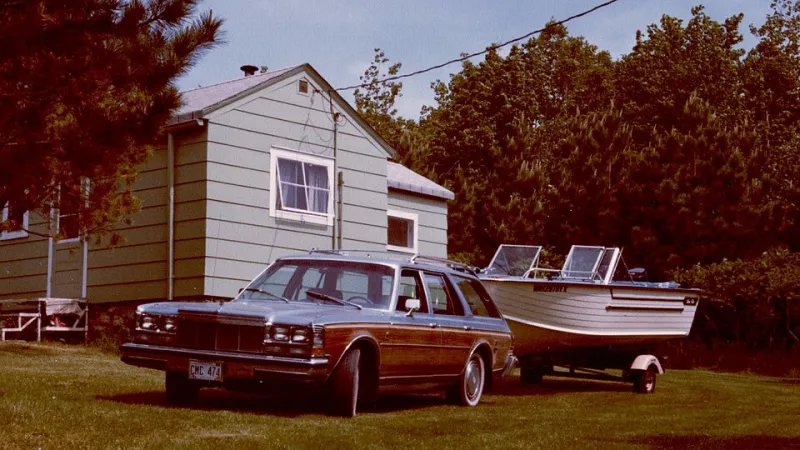
Photo: Unknown, CC BY-SA 3.0, via Wikimedia Commons
There's a stubborn myth in American style that nautical dressing is a coastal privilege. You need salt air, the story goes. You need a marina membership and a reason to own deck shoes.
Anyone who's spent a July afternoon on Lake Michigan knows that's nonsense.
The Fifth Coast
Ask the Coast Guard and they'll tell you: the Great Lakes hold roughly a fifth of the world's surface fresh water. That's a shipping economy, a sailing culture, and — yes — a dress code. Chicago's Belmont Harbor, Milwaukee's lakefront, Traverse City's bay: these places have had working sailors and weekend skippers crossing wakes since the 1800s, wearing the same practical gear their ocean counterparts wore.
Breton stripes didn't need a passport. Wool watch caps kept freshwater heads just as warm as salty ones. When your weather can flip from glass-calm to four-foot chop in an hour, you dress for the water, not the map.
Preppy, But With a Twist
Then there's the lake-town preppy tradition — think Lake Geneva, Wisconsin, or the Michigan resort towns north of Traverse City. The uniform looks familiar at first glance: navy blazers, boat shoes, madras in the summer. But look closer and the details drift inland.
Freshwater style runs a little heavier, a little hardier. The seasons demand it. A lake-town fall wardrobe means chunky fisherman knits and waxed cotton long before an Angeleno would consider a light layer. The palette skews darker, too — deep navy and slate instead of sun-bleached pastels — because Midwest light hits different in October.
The Vintage Hunters Did the Rest
The third wave came from thrift stores and estate sales across the plains. In Minneapolis, Kansas City, Columbus — anywhere with a good secondhand shop and a cold winter — a generation of pickers started rescuing genuine workwear: chore coats, dock pants, deck jackets from navy surplus.
These weren't costumes. They were the real thing, worn by real dockhands and merchant mariners from inland ports most people can't name. Duluth alone shipped more tonnage than most coastal cities ever dreamed of. The clothes followed the cargo.
The Coast Is a Mindset
Spend a day people-watching in any of these towns and the lesson writes itself: nobody's checking your proximity to an ocean. The guy rigging a J/24 at a Chicago yacht club and the kid in a vintage sailing club jacket two hundred miles from navigable water are participating in the same tradition.
So here's the takeaway for anyone stuck in a landlocked zip code:
- Buy for weather, not geography. If it's cold and windy where you are, the fisherman knit earns its keep.
- Let one piece do the talking. A single striped tee or a navy watch cap says more than a head-to-toe theme.
- Honor the workwear roots. Choose pieces built for function — brass hardware, heavy cotton, wool that blocks wind.
- Own your water. A river, a lake, a reservoir. If you dress like you take it seriously, you're in the club.
The ocean never had a monopoly on blue. Ask anyone who's watched a storm roll across a Great Lake — that water has its own mood, and the people who dress for it have been getting it right for generations. No salt required.