One Anchor Is a Statement. Five Is a Costume.

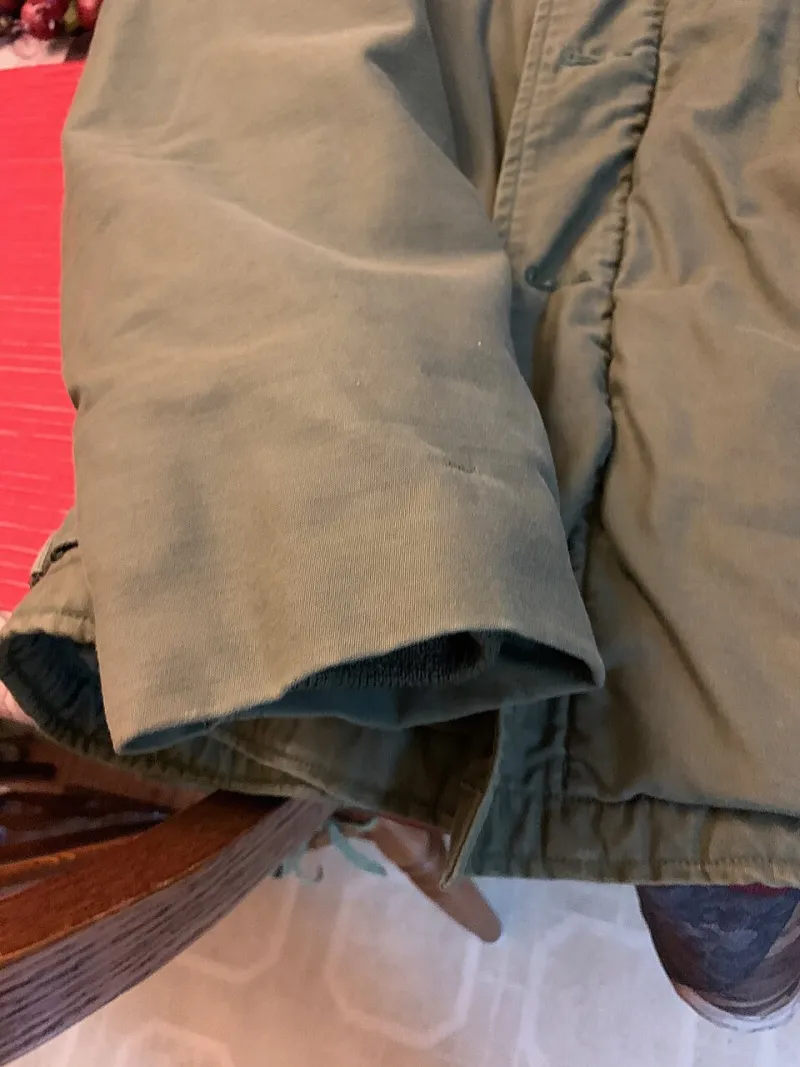
Photo: Kristin Hardwick, CC0, via Wikimedia Commons
There's a moment we've all witnessed — maybe at a coastal bar in Annapolis, maybe at a backyard cookout two hundred miles from the nearest tide. A guy in an anchor-print shirt, anchor-embroidered shorts, rope belt, boat shoes, maybe a flag patch for good measure. He's not dressed nautical. He's dressed as a concept.
The difference between that and looking genuinely maritime-cool comes down to one rule, and it's not even a new one: one symbol per outfit. Maybe two if you're feeling bold. Never three.
How the Anchor Got Here
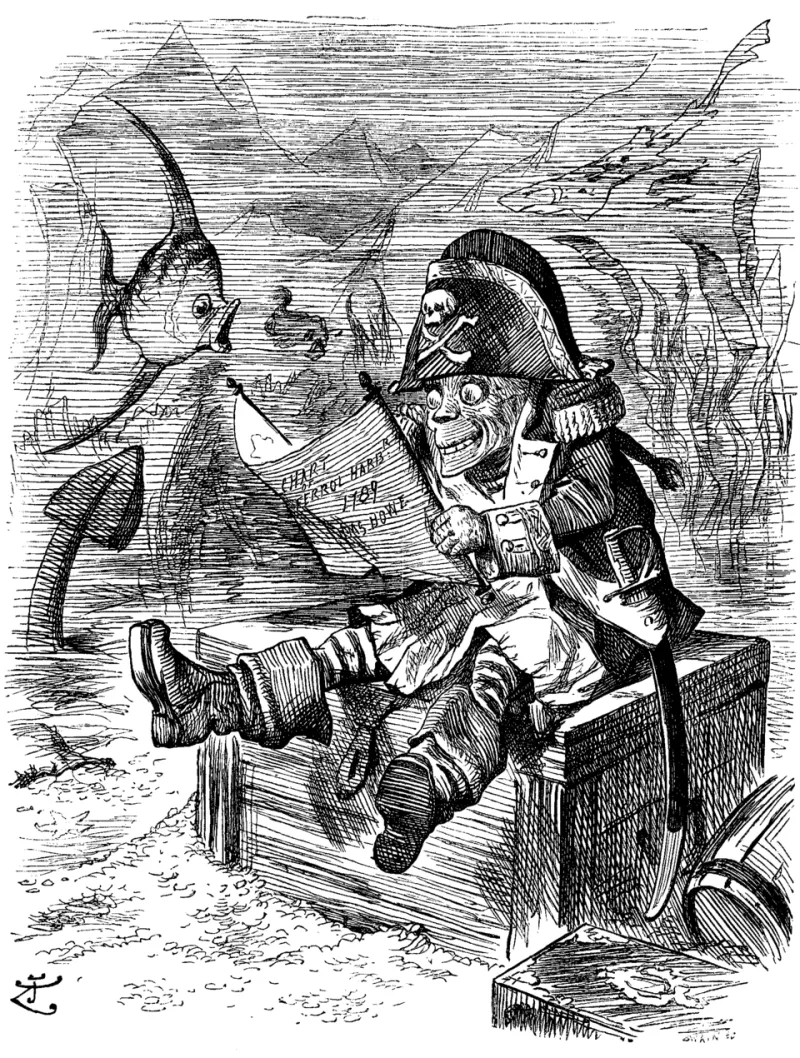
The anchor didn't start as decoration. For sailors in the age of sail, it was the most consequential object on the ship — the thing that decided whether you slept through the night or drifted onto rocks. A tattooed anchor meant you'd crossed the Atlantic. It was earned, the way a scar is earned.
Fashion borrowed the symbol slowly. By the 1930s, the anchor showed up on American sportswear as shorthand for a life of leisure by the water — a life most wearers didn't live. Then it cycled through prep culture, the 1980s, and every subsequent revival, each time losing a little more of its original weight. Today it's a clip-art cliché, which is exactly why restraint reads as confidence. Anyone can print an anchor on a t-shirt. Knowing which anchor, where, and how many is the actual skill.
The One-Symbol Rule in Practice
Here's what the rule looks like on real bodies:
The anchor tee, defused. A small anchor on the chest pocket of a plain navy tee, worn with khaki chinos and white sneakers, reads as heritage. The same anchor at eight inches across on a Hawaiian-style shirt reads as a theme party. Size matters more than the symbol itself.
Rope as texture, not motif. A rope belt or a bracelet with a knotted detail works because rope is a material, not a logo. You're referencing the deck, not shouting about it. Pair a woven rope belt with linen shorts and a plain oxford and nobody will call it a costume — they'll just think you dress well near water.
The flag patch question. This one's trickier in the US, where flag imagery carries extra charge. A small, tonal flag patch — navy on navy, or embroidered in muted thread on a jacket cuff — is an insider move. A full-color flag splashed across the back of a windbreaker is a different garment entirely. If you have to ask, go tonal.
Buttons and hardware. The most sophisticated nautical details are the ones you have to be standing close to notice. Brass buttons on a navy blazer. A shackle-style clasp on a bracelet. Eyelets on a deck shoe. This is the sweet spot: maritime DNA without a single visible motif.
Formulas That Work
A few reliable outfits built around a single symbol:
- Navy blazer, brass buttons, white tee, gray chinos. Zero printed motifs, maximum nautical authority. The blazer is the symbol.
- Breton stripe tee, rope bracelet, dark denim. Two references, both small. The stripes carry the outfit; the rope just whispers.
- Oxford shirt, small embroidered anchor on the chest, khaki shorts, boat shoes. The classic. Works because everything else is quiet.
- Plain navy crewneck, tonal flag patch on the sleeve, white canvas sneakers. Understated, a little patriotic without making it a whole thing.
Notice what's missing: anchor prints, rope trim on every seam, ship wheels, lighthouse graphics. If it looks like a souvenir shop, it belongs in a souvenir shop.
Why Restraint Wins
The nautical wardrobe earned its place in American style because it was functional first — durable fabrics, hardware that worked, colors that hid salt and sun. The symbols were secondary, worn by people who used the things they referenced. When you wear one anchor instead of five, you're honoring that logic: the outfit does a job, and the detail is just a signature at the bottom.
So pick your symbol. Wear it small. Let everything else stay quiet. The sea, as any sailor will tell you, doesn't need to shout.