When the Ferries Empty Out: Cold-Weather Style Lessons from America's Working Harbors

Photo: fisherman in waxed jacket and knit cap working on harbor dock in winter, via images.stockcake.com
Every summer, the same photos flood the internet: straw hats, white linen, sailboats the color of a magazine ad. Then October shows up, the ferries run half-empty, and the towns that make their living from the water go back to dressing like it.
That's when the real style starts.
There's a version of coastal dressing that only exists between November and April, and you'll find it in Gloucester, Massachusetts, where the ground fleet still hauls draggers out past the breakwater, and in Astoria, Oregon, where the Columbia River meets the Pacific with all the subtlety of a fire hose. The tourists left. The wardrobe got serious.
The Postcard Wardrobe vs. the Real One
Summer nautical style is a costume you rent. Cold-weather coastal style is a system you build. The difference comes down to one question: what happens when the wind picks up and the temperature drops fifteen degrees before lunch?
In tourist season, the answer is "go inside." In a working harbor town in February, there is no inside. There's only the next layer.
Watch the guys unloading traps at the Gloucester pier on a raw December morning and you'll see the uniform: a wool watch cap pulled low, a flannel or thermal underneath, a lined canvas or oil-finished jacket over the top, and boots that have clearly met saltwater before and won. Nothing matches in the fashion-magazine sense. Everything matches in the it-actually-works sense.
That's the first lesson, and it's the big one: coastal cold-weather dressing isn't about looking nautical. It's about being dressed for conditions that happen to look nautical. The aesthetic follows the function, not the other way around.
Oilslick Fabrics: The Unsung Hero
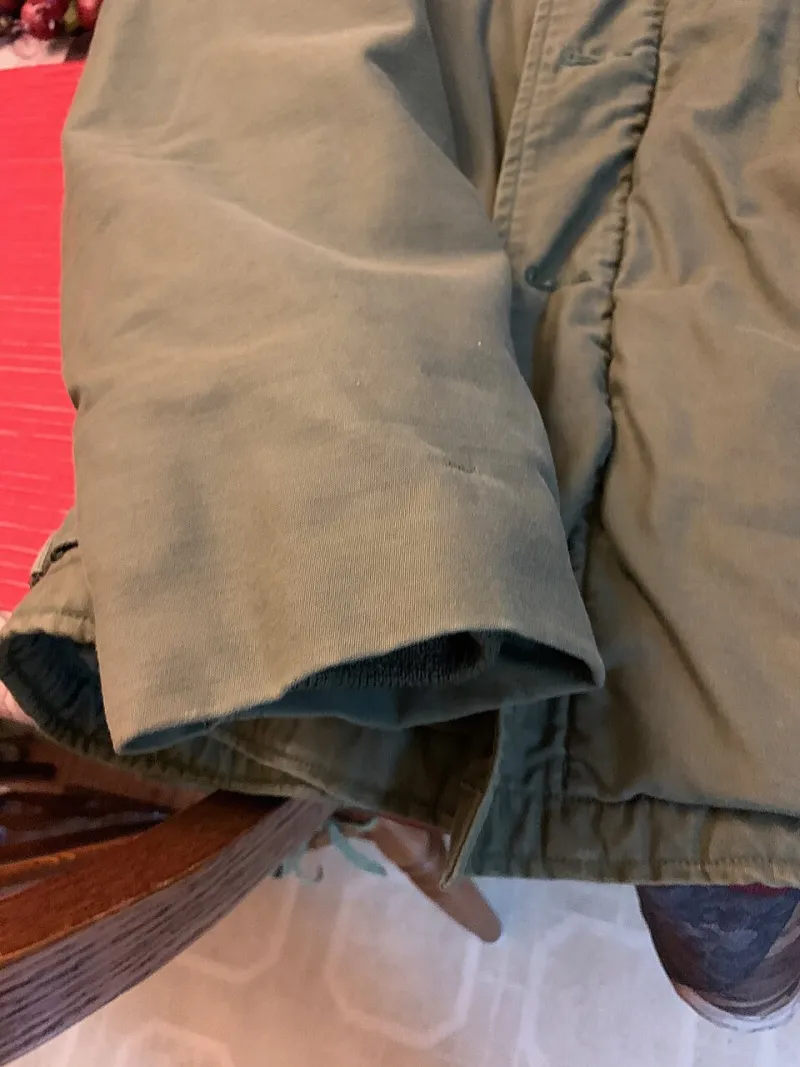
Let's talk about the fabric that carries the whole season. Not wool, not fleece — waxed and oil-finished cotton. Fishermen have been oiling their canvas for a century because untreated fabric soaks through in an hour and never dries. A properly waxed jacket sheds drizzle, blocks wind, and wears in like leather, mapping every crease into a personal topography.
The look is unmistakable: that slightly matte, faintly reflective surface — what we'd call the oilslick finish — that reads as rugged up close and quietly sharp from across the street. It's the anti-synthetic. It ages instead of pilling. And in the right color, it's the most versatile thing in a cold-weather rotation.
Which brings us to the color.
Why Navy Hits Different in November
Marine blue has a split personality. In July, against sun-bleached shingles and bright water, navy reads preppy, even a little safe. In November, under a flat gray sky with rain coming sideways, the same navy turns moody and almost architectural. It stops being a color and becomes a condition.
This is the trick most nautical brands miss: they design for the beach in August and forget that the ocean is a cold-weather destination too. But navy in gray weather is arguably at its best. It harmonizes with the sky instead of fighting it. A deep blue sweater against a slate horizon looks inevitable in a way that white linen never will.
The practical takeaway: build your off-season capsule around navy as the anchor — watch cap, heavy knit, waxed jacket in dark navy or near-black blue — and let the grays and oatmeals play supporting roles. One color family, multiple weights and textures. That's the whole game.
The Off-Season Capsule, Distilled
You don't need much. You need the right pieces:
- A waxed or oil-finished jacket. Navy or dark forest. This is your shell, your statement, and your rain plan in one.
- A genuinely heavy sweater. Guernsey-style knit or a dense fisherman's rib. If it's see-through when you stretch it, it's decoration.
- Two flannels, one plaid, one not. Layer them over thermals, under everything.
- A watch cap in marine blue. The single cheapest way to look like you belong on a working waterfront.
- Boots with a sole that grips wet decking. Style is moot if you slip on the gangway.
Five pieces, one palette, zero logos required. It's the same philosophy we keep coming back to at U Marine Blue: fewer things, darker blue, built for weather you actually encounter.
Dressing Like the Season After the Season
There's a romance to the off-season coast that summer can't touch — the empty beaches, the fog, the sense that the town belongs to the people who stayed. The clothes should match that mood. Quiet, hard-wearing, blue-leaning.
So while everyone else packs their linen away and waits for spring, take the hint from Gloucester and Astoria: the best nautical style of the year starts when the tourists go home. Dress for the wind. Let the blue do the rest.